Let go, and let life bloom
"I let go of what I am, I become what I might be.”
Tao Tzu — Tao Te Ching
Sometimes, the greatest gift we can offer ourselves is the willingness to let go. Big and small worries, lingering irritations, and unspoken expectations quietly weave themselves into our days, subtly eroding our sense of peace. Releasing what no longer serves us creates space for renewed energy, fresh perspective, and emotional freedom, allowing life to be lived with greater intention and harmony.
Letting go is a sacred act. It is the moment we loosen our grip and discover that life is already holding us. What falls away was never truly ours to carry, and what remains is essential, alive, and quietly waiting. When we loosen our grip and let go, something profound occurs and breathing space opens. With it comes greater presence, intention, and grace.
"If you want to make God laugh, tell him your plans." Woody Allen
Echoing the old Yiddish proverb, “Man plans, and God laughs,” this wry observation points to life’s inherent unpredictability and gently reminds us to open to insight, mystery, and divine direction, an idea that biblical wisdom, particularly in Proverbs, quietly affirms. The more tightly we try to grip outcomes or control circumstances, the more they take hold of us instead. Easier said than done, you say? Well, here are some practical and pleasant ways to facilitate letting go and allow more peace, harmony, clarity, and even a little more joy into your life.

The process of letting go is rarely simple or linear. It often asks us to face difficult emotions such as anger, fear, or guilt, which can make the journey feel daunting. Fear of the unknown may keep us anchored in familiar but unhealthy patterns, while guilt can bind us to roles, relationships, or beliefs we’ve long outgrown, simply because we feel we should remain. Recognizing these emotional barriers is an essential step, allowing us to move forward with greater compassion and patience toward ourselves and others. Determine what truly matters to you to guide what you need to release and what to hold onto.
“Unforgiveness is like drinking poison and expecting the other person to die.”
often attributed to Marianne Williamson or Nelson Mandela
For me, the practice of letting go begins with forgiveness. Forgiving does not mean forgetting, nor does it excuse what caused hurt and pain. Rather, it is an inner release, freeing the psyche and spirit from the weight of anger, resentment, and unresolved emotion that quietly shapes our inner world. When forgiveness enters, something softens. Opportunity opens for resolution and restoration.
At the heart of this work lies self-forgiveness, often the most difficult, yet most vital step. When we meet our own blunders with honesty and compassion, inner burdens begin to lessen. Forgiveness is not about bypassing pain, but about integrating it: acknowledging what was broken, feeling what was once denied, and reclaiming the parts of ourselves that became frozen in moments of hurt. This is where wholeness begins.
Forgiveness, like fragrance, cannot be forced. It arrives when the inner vessel is emptied enough to receive it. In releasing what binds us to old wounds, we step out of time and into wholeness, where nothing is wasted and every experience has shaped us toward becoming whole.
Supportive oils for forgiveness and self-forgiveness include:
- Rose & rose geranium for heart-centered compassion and self-love
- Bergamot to encourage gentleness toward oneself and invite acceptance
- Chamomile to invite calm and a sense of peace during heightened emotion
- Frankincense to broaden perspective beyond the wounded story
- Juniper berry, jasmine, & ylang ylang to support emotional lightness and
softness
To use: Dilute one to two drops of your chosen oil or blend in jojoba oil and apply gently over the heart center. As you inhale, breathe in the serenity and invite love and forgiveness. As you exhale, imagine releasing guilt, blame, and old hurts that may have held you back.
Forgiveness: Returning to Harmony through Ho’oponopono
Ho’oponopono is an ancient Hawaiian practice of reconciliation and restoration, offering a gentle yet profound pathway toward forgiveness. Rooted in communal healing traditions, it reminds us that balance begins within the self, and that letting go restores our connection to one another, our collective wholeness.
What follows is a simple expression of this tradition shared not as a complete teaching, but as a doorway. Even in this distilled form, its quiet power lies in repetition, intention, and sincerity. Spoken inwardly or aloud, these four phrases may be offered to those you wish to forgive, including yourself.
Slowly and gently, repeat:
- I’m sorry.
- Please forgive me.
- Thank you.
- I love you.
Spoken with presence, these words do not demand understanding or resolution. Instead, they loosen what has been held too tightly, allowing compassion to move where resistance once lived and creating an opening for peace to return.
LETTING GO OF ANGER AND FRUSTRATION
In traditional East Asian medicine, anger and frustration are associated with the liver and gallbladder systems, energetic pathways connected to movement, decision-making, and the smooth flow of Qi, or vital life force. When emotions such as resentment, irritability, or long-held frustration remain unexpressed, this natural flow may feel constrained, sometimes experienced as inner tension or restlessness.
In aromatherapy, essential oils are used to support emotional shifts, inviting constricted energy to soften and move. Bright citrus oils such as sweet orange, bergamot, and grapefruit bring lightness and uplift the spirit, helping to shift heavy or contracted feelings. Herbaceous oils like Rosemary and Peppermint can be clarifying and refreshing.
To bring balance to feelings of anger or irritability, clary sage, lavender, and ylang ylang are often appreciated for their calming presence. For the heart and emotions, chamomile, rose, frankincense, and neroli invite gentleness and reassurance. For grounding during scattered or intense moments, oils such as cedarwood, sandalwood, or vetiver offer a steadying, centering aroma.
Cleansing Bath Ritual for Releasing Anger
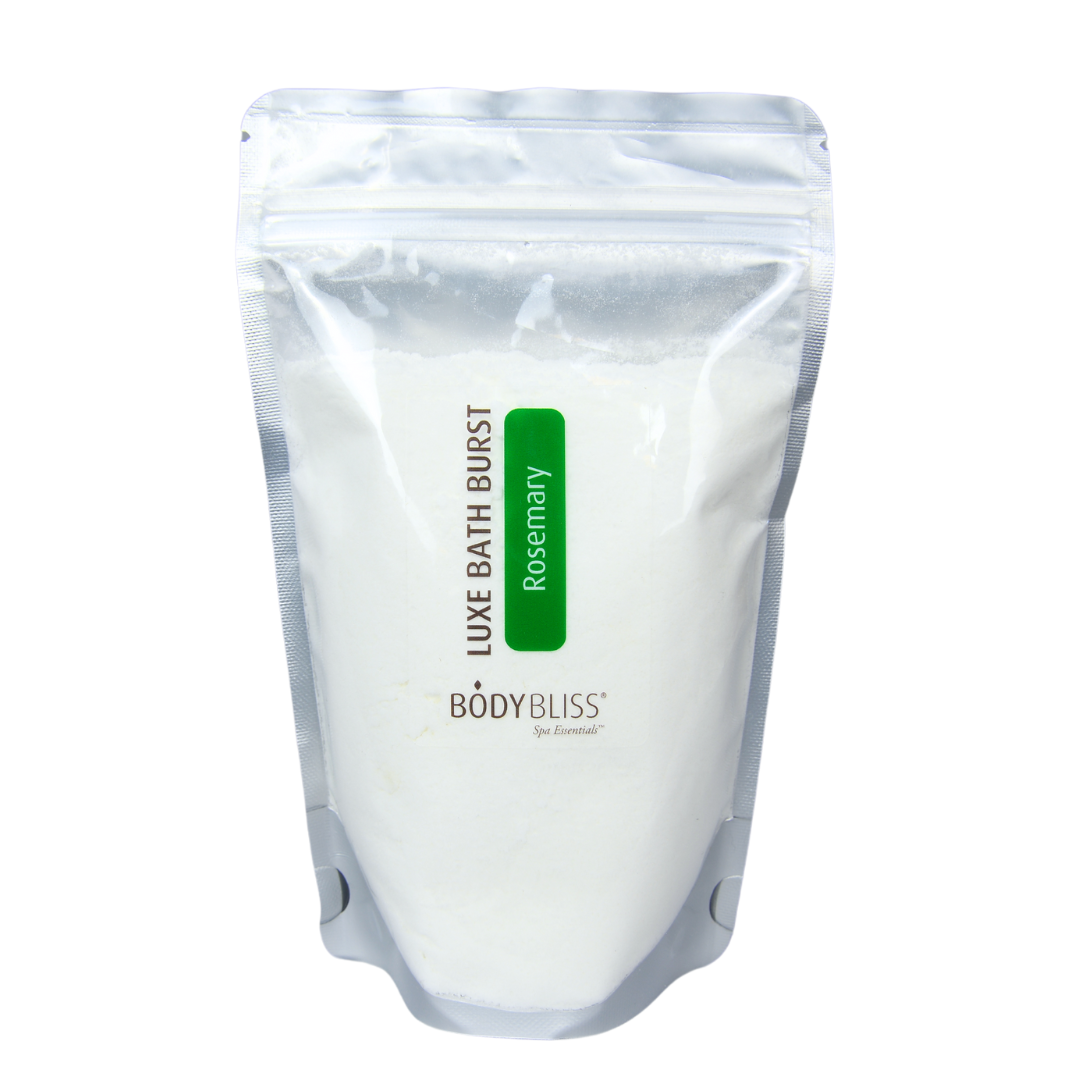
Add three drops of your chosen essential oil or blend to a warm (not hot) bath, along with a handful of sea salts. Gently swirl the water with your hand, imagining it washing away feelings of resentment and frustration. As you bathe, inhale the scents slowly, then exhale fully, inviting a sense of ease and spaciousness. When finished, as the water drains out of the tub, imagine it carrying with it what you are ready to release, leaving you feeling calm, clear, and refreshed.
Fear is a complex emotion, one that is neither wise nor even possible to eliminate completely. At its root, fear is a guardian. It is an instinctive survival response that heightens awareness, sharpens the senses, and alerts us to potential danger. Yet when fear grows unchecked, it can overtake our inner landscape, surpassing the rational mind and drawing us out of the present moment. The body shifts into a state of urgency: breath may become shallow, the heart may feel as though it races, and the body can feel unsettled. Energy seems redirected toward immediate survival, preparing us to fight, flee, or freeze.
Fear wears many faces. There is fear of failure, fear of change, fear of the unknown and most revealing of all, the fear of letting go. To release fear is not to banish it, but to listen to what it is asking of us. As Jung suggests, fear often marks the very threshold where growth is waiting.
Essential oils can serve as gentle allies in this process, offering both emotional reassurance and helping us remain present as fear begins to loosen its grip.
Essential Oils Traditionally Used to Support Emotional Balance Around Fear
To invite calm and softness: Bergamot, chamomile, clary sage, lavender, marjoram, neroli, rose, ylang ylang
Ground and stabilize: Cedarwood, frankincense, sandalwood, vetiver
To encourage forward movement and release: Bergamot, cypress, frankincense, juniper, neroli, rose, spruce
Sidebar | A BREATH & BLEND RITUAL FOR LETTING GO OF FEAR
Because fear so often involves the breath, begin by choosing one or two essential oils from the list above that feel supportive in this moment. Inhale them deeply and slowly, allowing the breath to drop into the lower belly, the Hara, or lower Dantean, the energetic center recognized in both Japanese and Chinese traditions as the seat of vital life force.
Let the exhale be slow and deliberate. A long, steady outbreath invites the body and mind into a more restful state, creating space to soften and release. As you breathe out, imagine fear loosening its hold, leaving not through force, but through surrender.
Repeat this cycle, then finish with a grounding essential oil to help anchor a sense of peace and steadiness as you return to your day feeling refreshed and supported.
Top Essential Oils for Letting go:
Scent reminds us that transformation does not have to be forceful. Like breath, it enters softly, works invisibly, and leaves us changed without demand. The mind softens, the heart opens, and the deeper self remembers that restoration unfolds not through effort, but through surrender.
- Bergamot: Known for its bright aroma, often associated with lightness and a sense of ease, encouraging self-acceptance.
- Cedarwood: A grounding scent traditionally linked with steadiness and quiet confidence
- Frankincense: Invites connection to your spiritual self, offering a sense of clarity and perspective.
- Jasmine: Associated with inner joy and emotional openness.
- Juniper Berry: Traditionally used to inspire courage and forward movement.
- Lavender: The quintessential calming oil, widely appreciated for its relaxing presence.
- Patchouli: Often encourages acceptance and emotional grounding.
- Rosemary: A clarifying, herbaceous scent linked with renewed perspective.
- Sweet Orange/Citrus Oils: Uplifting aromas that bring a cheerful feeling and happiness.
- Vetiver: Deeply grounding and centering, with a steady, earthy presence.
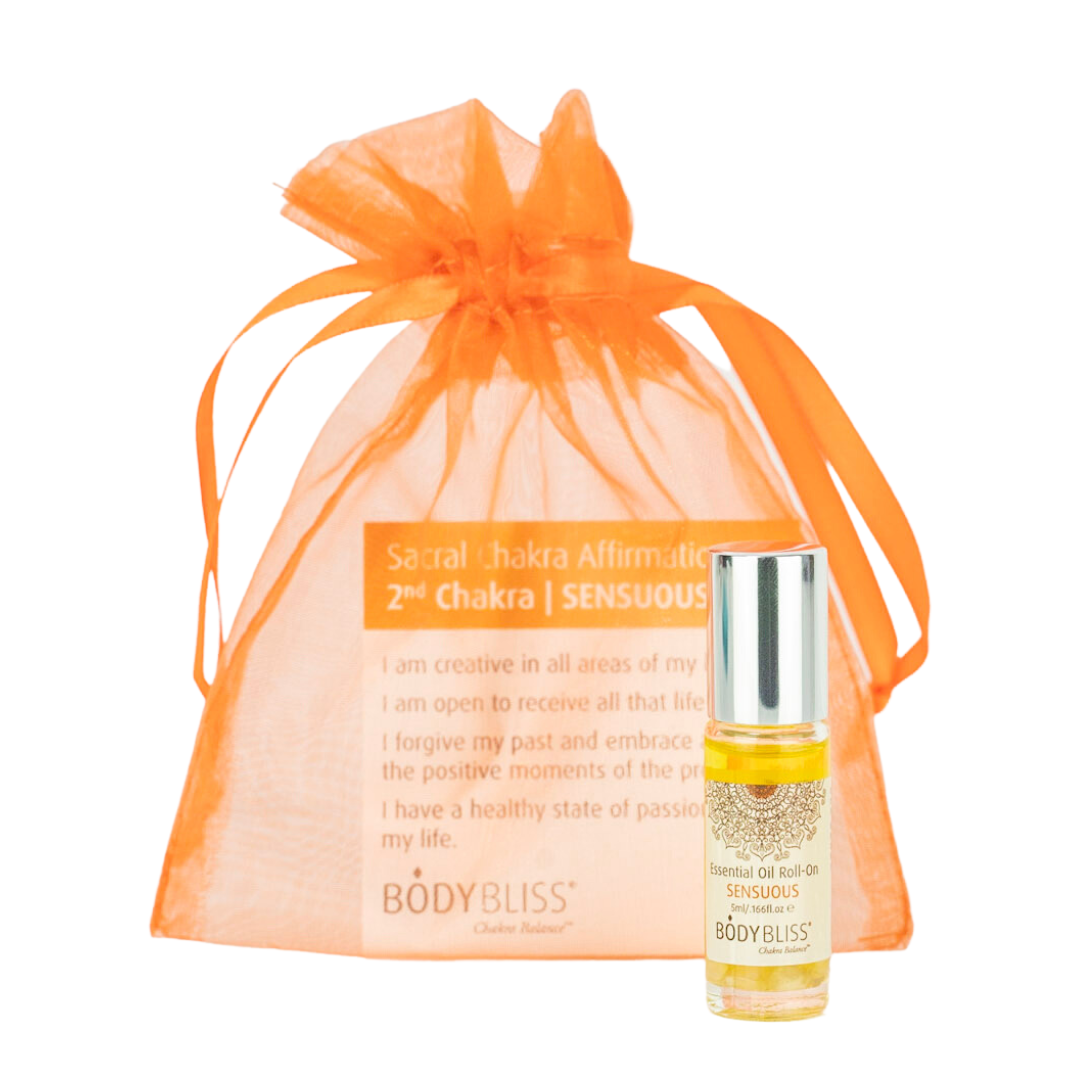
- The chakra of letting go: The Sacral Chakra, the second energy center in thechakra system, governs creativity, emotions and is traditionally associated with creativity, emotions, and the lower abdominal region. Here,water is the element which represents flow and flexibility. Working with this chakra invites a sense of openness to change and personal transformation. Essential oils are often included in anointing blends as part of personal rituals and mindful practices: bergamot, clary sage, jasmine, patchouli, sandalwood, or ylang ylang.
Topical Application: Dilute 1-2 drops of essential oil in a carrier oil (like coconut or jojoba) in the palm of your hand. Gently apply to the lower abdomen, just below the navel, or on the sacrum (lower back), as a personal ritual of sending love, acceptance, and release.

Our Chakra Sensuous roll-on is a beautiful companion for this ritual.
It is easy to use, comes with an affirmation card and even contains clear quartz crystals.
And so, as you breathe in these sacred aromas, may you trust in their great wisdom. May grace enter into the space you create by letting go. May peace take root, and may you find, not less, but infinitely more.