
Where essential oils speak in concentrated intensity,
hydrosols whisper in gentle wisdom.
Hydrosols are often called the quiet companions of essential oils. Born of the same steam distillation, they carry a gentler, more intimate expression of the plant. When aromatic molecules pass into the distillation water, they become dispersed throughout the entire water body, carrying hydrophilic (water-soluble) components that do not appear in essential oils alone. This creates a more complete aromatic profile, one that reflects the living plant in a balanced matrix, closer to how we might encounter it in nature. In this way, hydrosols hold the water-borne essence of a plant’s aromatic life offering a dynamic imprint that gently engages the senses and the atmosphere around us.

Since different components may be present in hydrosols than in essential oils, they may carry a different aroma and may not be suitable for interchangeable uses or applications. In other words, a hydrosol of a particular plant material may behave differently than the essential oil extracted from the same plant.
Because hydrosols are water-based, much like our own bodies, they tend to be naturally suited to everyday aromatic traditions. Their presence is gentle and subtle. Since they are mildly aromatic, they don’t push or overwhelm; they invite. This quality makes them especially appreciated by those who prefer a softer, more delicate aromatic experience.
We all know that oil and water don’t mix, as they say, and the same is true in the distillation process. This image shows that the essential oil floats to the top and the watery portion (hydrosol) is drawn off from the bottom.
Hydrosols are gentle, yet remarkably expressive in their aroma.
Hydrosols remind us that gentleness is not weakness. They invite us into a softer relationship with plants. If essential oils are the concentrated soul of a plant, hydrosols are its aqueous essence. Formed in the meeting of steam, plant matter, and water, much like essential oils, hydrosols convey a gentler, more subtle aromatic memory. From this perspective, hydrosols can be seen as waters that have listened to the plant. They carry some of the plant’s biochemical constituents, as well as the character and aromatic nuances of the harvest.
HYDROSOLS, HYDROLATS, DISTILLATES OR FLORAL WATERS?
Though you may find the above terms sometimes used interchangeably, there are differences. The terms hydrosol, hydrolats or distillates refer to the watery biproduct of steam distillation for essential oils while floral or fragrance waters may simply be water to which floral scents and/or essential oils have been added. Hydrosols and hydrolats are very different than a blend of essential oils in water created for room or linen sprays. When water and essential oils are mixed for this purpose, with or without a dispersing agent, this would be called an aromatic spritzer, and its intended uses and safety considerations will be different from that of a true hydrosol.
DR. MASARU EMOTO
In his book, The Hidden Messages in Water, Dr. Masaru Emoto’s observations suggest that water, in a symbolic and reflective way, appears shaped by its environment, shaping its visible form. Seen through the nature of water itself, this idea becomes quietly compelling. Whether taken symbolically or literally, his work invites us to consider water not as inert, but as responsive. In this way, hydrosols may be understood as water that has been changed by its intimate meeting with plants and its environmental influences.
If water is indeed shaped by experience, then hydrosols may be understood as waters that have passed through the life of a plant, bearing traces of that encounter. Their gentleness, then, is not an absence of character, but a reflection of water’s capacity to hold a delicate aromatic impression.
Much like Emoto’s images suggest that water reflects its environment, hydrosols reflect the living context of the plant itself. They offer a gentle imprint rather than a concentrated extract, making them uniquely suited, gentle, water-based aromatic applications.

HYDROSOLS FOR ANIMALS
Animals’ bodies differ from human bodies in important ways. They are often more sensitive to scent, and many may respond differently to aromatic materials. Because hydrosols contain only trace amounts of aromatic constituents suspended in water, they offer a plant’s qualities in a form that is significantly gentler and less likely to overwhelm an animal’s sensitive sense of smell.
Essential oils, by contrast, are highly concentrated and can be too strong in aroma for some animals; some may even be harmful. Hydrosols provide a softer alternative, though the introduction of any plant material should always be approached with caution and appropriate professional guidance.
Hydrosols may be lightly misted into the air or sprayed onto bedding, allowing the animal to engage or move away according to its own comfort. This element of choice is central to creating a comfortable environment. It is recommended to first offer a small amount on your hand or a piece of cloth and observe the animal’s response. If the animal turns away or shows disinterest, do not proceed.
Always consult your veterinarian before using hydrosols with animals.
How can hydrosols be used?
Each hydrosol offers a number of unique properties and can be used in product where water is a component of the formulation. Hydrosols, in general, are often appreciated in skincare for their refreshing, gentle feel, and make wonderful toners.
Hydrosols are also utilized for their sensory presence and can be sprayed around the body (like smudging) to refresh a space or support a personal ritual or simply uplift and inspire.
Neroli Hydrosol
Calming and euphoric
Toner for oily or blemish-prone-looking skin
Makes a restful and romantic linen spritz


Rose Hydrosol
Great for mature, sensitive, and dry skin alike
Soft and soothing in aroma
Strong affinity with the heart
For a peaceful and romantic linen spritz
Lavender Hydrosol
Relaxing, soothing, and comforting
Good for most skin types
Makes a calming linen spritz

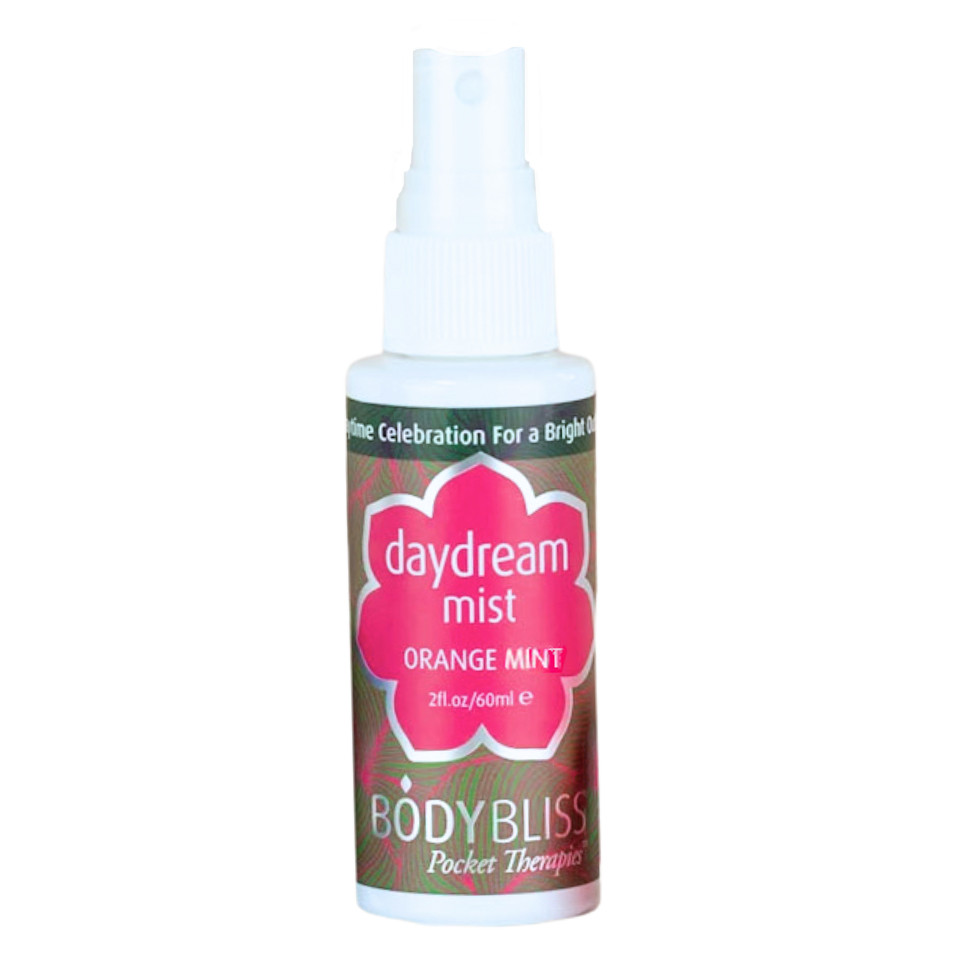
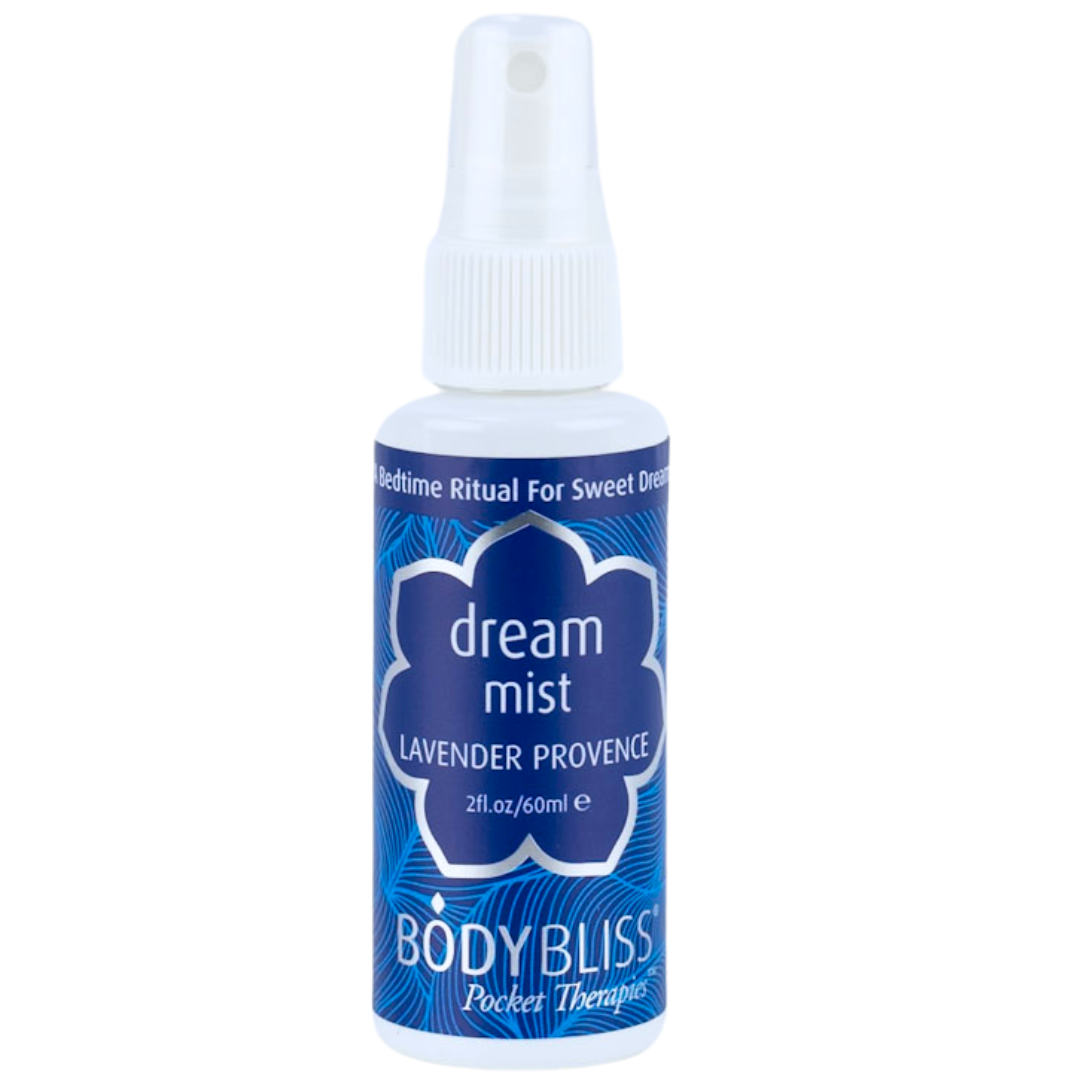
Body Bliss Mists You'll Love

Expertly Curated Blending Ideas
|
|
Ingredients: Instructions: | Ingredients:
Instructions:
|


